
February 21, 2013 /
Additional MS resource sites
Signs of Multiple Sclerosis Relapse
What Happens During a Relapse?
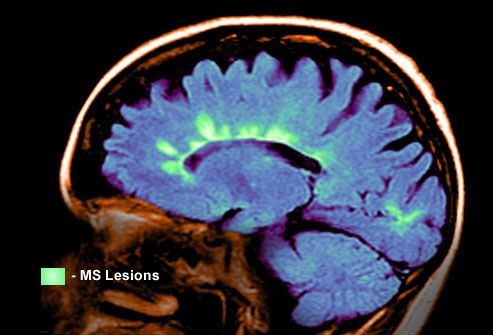
When you experience a multiple sclerosis relapse (also known as an exacerbation or flare-up), it’s because new damage in your brain or spinal cord disrupts nerve signals. That’s why you might notice new symptoms or the return of old symptoms. A true relapse lasts more than 24 hours and happens at least 30 days after any previous relapses. Relapses vary in length, severity, and symptoms. Over time, your symptoms should improve. Many people recover from their relapses without treatment.
Visit our MS Learning Channel on YouTube: http://www.youtube.com/msviewsandnews
Stay informed with MS news and information - Sign-up here
For MS patients, caregivers or clinicians, Care to chat about MS? Join Our online COMMUNITY CHAT

Categories
Latest Blog Posts
- Pre-recorded video on Intimacy and MS + Q&A – with Aaron Boster, MD
- video: What Is a Multiple Sclerosis Attack? Signs, Treatments and Prevention
- What is Multiple Sclerosis? A Video Overview of MS Causes, Symptoms, Treatments & Research
- Which Statin Is Right for You?
- Capability–Opportunity–Motivation–Behavior (COM-B) Correlates of Physical Activity in People with Multiple Sclerosis Who Have Analogue Generalized Anxiety Disorder
- Workplace lubricant exposure linked to higher odds of MS in new study
- Low-fat diet may help reduce fatigue in MS, suggested in a new trial analysis
- What Are the Symptoms of Low Magnesium, and How Do You Treat It?
- Christina Applegate MS Misdiagnosis Explained by a Neurologist
- Press release: TG Therapeutics Announces Phase 1 Data Evaluating Azer-cel in Progressive Multiple Sclerosis in a Late-Breaking Oral Presentation at MSToronto2026
- Falling Into Fall: How the Changing Seasons Affect My MS Symptoms
- Moving past the heat and shifting expectations as the seasons change
- Blood levels of key protein may help predict MS progression
- Genentech’s Fenebrutinib Is the First BTK Inhibitor to Receive U.S. FDA Filing Acceptance in Both Relapsing and Primary Progressive Multiple Sclerosis
- Florida Atlantic University (FAU) lands NIH grant to study new cells that may help repair nerve damage
- Understanding Infusion Treatments for Multiple Sclerosis
- Effect of intrathecal injection of mesenchymal stem cell-neural progenitors on cerebrospinal fluid biomarkers in progressive multiple sclerosis
- Ofatumumab in multiple sclerosis: 2-year immune profiling and clinical correlates
- Dealing with MS Numbness
- CAR T-cell deaths in subjects with autoimmunity

